
Manual for Survival
18th KONDENZ Festival of contemporary dance and performance, Belgrade, 26 – 31. october 2025
The 18th KONDENZ finds us in a state of emergency — and it is no longer a festival.
The Ministry of Survival is burning, the small intestine is tied. It’s not a knot — it’s a shape resembling the Cyrillic letter Ф.
The arteries are filled with cholesterol. The effect of cholesterol on the quality of a community’s cultural life remains uncertain.
And now — a deep breath in through the nose, and a long exhale through the mouth. The stomach is full of stones. It digests only concrete already infused with someone’s cut.
The sculpture recently unveiled in the square looks like a plaster cast of a broken leg; from another angle, it resembles a buried child from Pompeii, or from some other leveled city.
The spine is privatizing the marrow.
What is the position of your tongue at this moment? Can you separate it from the roof of your mouth?
JUSTICE has perished — even if we were to view this as a poetic skill.
How do we turn this reality into compost? Is there room for dance as a sign of life in that new field?
If this resembles a simulation of normality — abolish us.
Plant a tree.
PROGRAM
Pokretnica Collective and collaborators:
Kompost
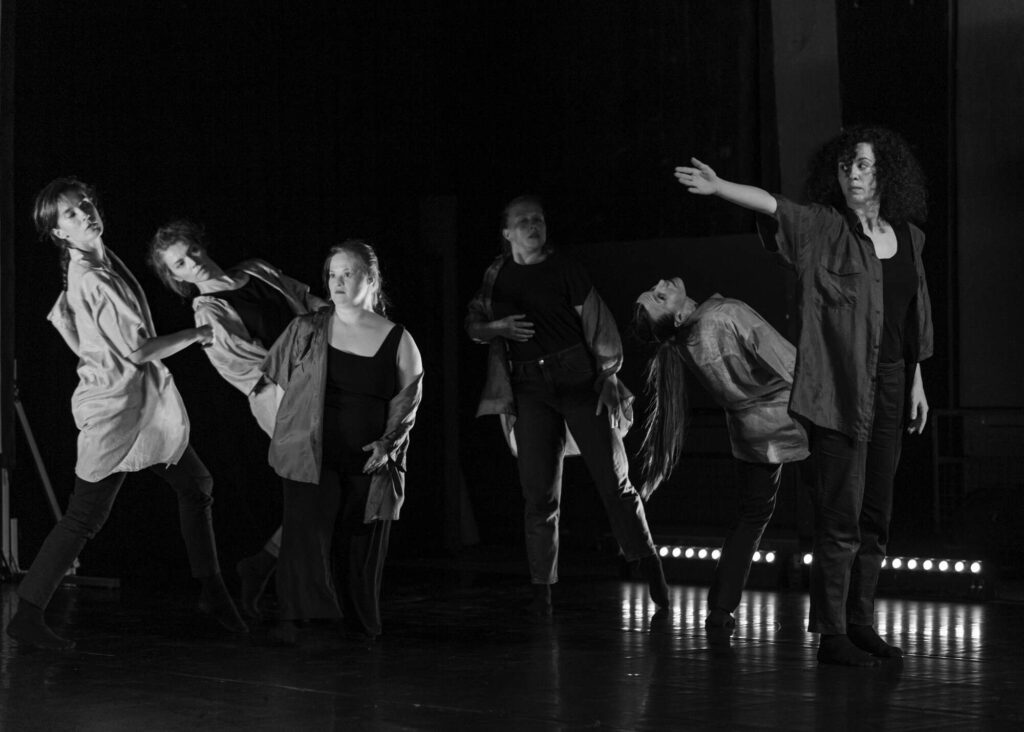


Kompost is a work in constant becoming and transformation, a collaborative research process in which performers and co-authors establish and examine the feedback loop between proposals for dance improvisation scores, texts that emerge as reflections on dance, and working principles through which they (re)formulate co-authoring relations.
This episode of Kompost builds on themes of togetherness, tenderness, care for the other, uncertainty, play, and support, and represents composting—settling, decomposition, and transformation of previous stages of the work, when the Kompost samizdat was published and the dance-poetic performance under the same title was presented.
The co-authors find inspiration for this working method in the ongoing disintegration of (non)institutional structures and programs on the local contemporary dance scene, which is transformed into continued action on that same scene through mutual support and collaborative/friendly relations.
***
compost is a process that endures, an energy that changes form in its fall.
compost is a community and a driving force.
compost is a history of imbalance—of bodies, ideals, experiences.
compost is not a spectacle. compost is a principle.
compost speaks of supportability.
compost arose from supportability.
compost practices supportability.
compost is the desire to create without turning one’s nose up at the working conditions.
the women of compost have no populist tendencies.
the women of compost create in unfit conditions.
compost is women who do not wish to be framed.
compost is women who still make mud pies, children still alive within them, pies tastier than before.
compost is extended time and concentrated space that waits for questions.
* from the Kompost Manifesto / Love Letter to Kompost, workshop with Nina Gojić, Pokretnica Festival 2021
Concept and performance: Željka Jakovljević and Frosina Dimovska
Co-authors and performers: Jelena Alempijević, Jovana Rakić, Jelena Stefanoska, Anna Belorukova
Collaborators in the process: Ina Madžar, Staša Blečić, Vesna Pašćanović, Nađa Davidović
Sound / composition: Ivan Marković; Artistic associate: Dunja Crnjanski; Illustration: Marina Milanović
Stage design: Željka Jakovljević
Costume: Balenciga
Special thanks to Mina Petrić, Vitomirka Trebovac, Nataša Vranešević, Marina Milanović, Natalija Vladisavljević, Olivera Kovačević Crnjanski, SKCNS Fabrika and Skup – Alliance for Collective Artistic Practice.
Supported by the Council for Culture of the City of Novi Sad (2024).
Ramona Nagabczynska:
BLISS
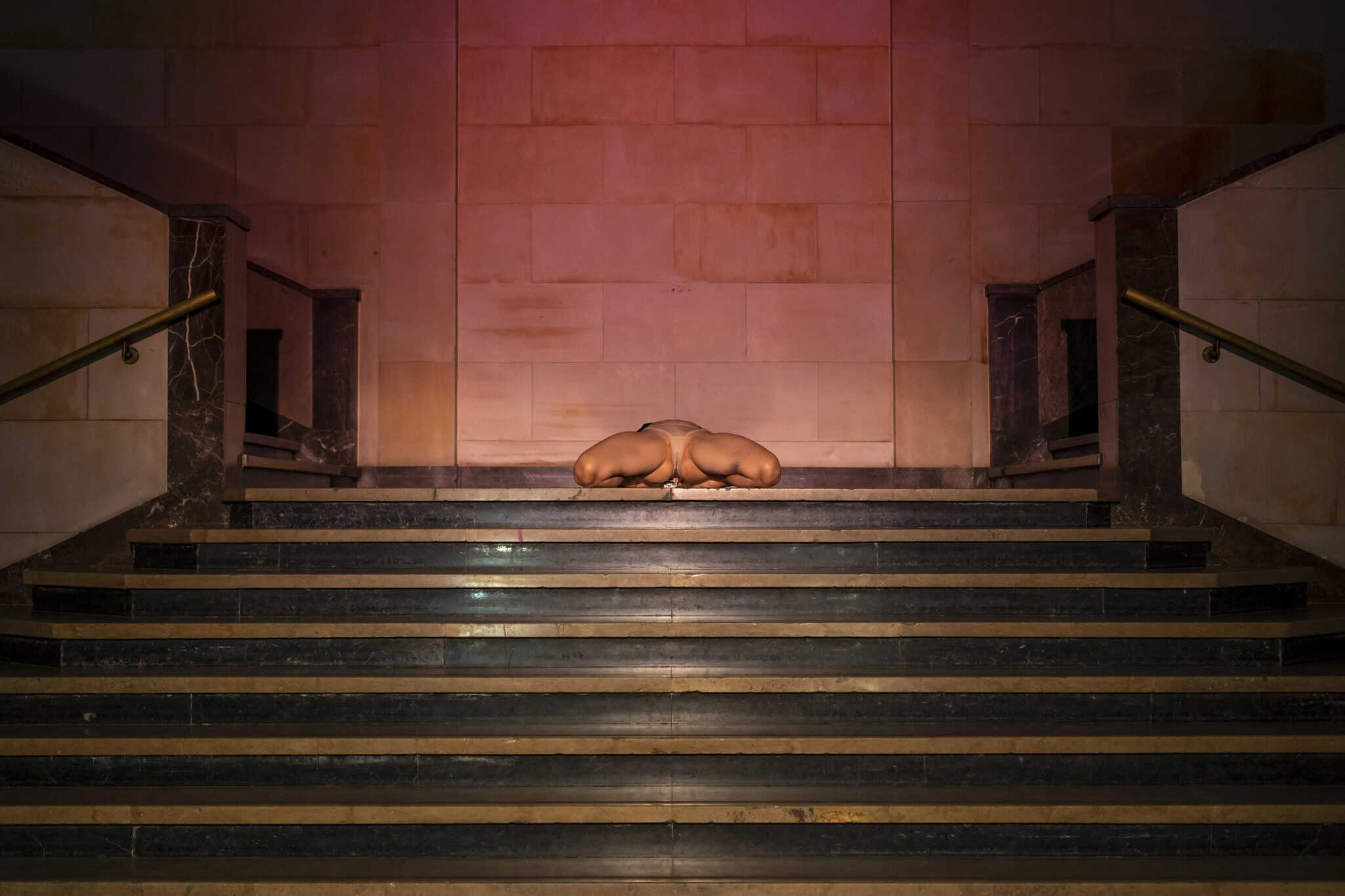


The central theme of Bliss is the state of pregnancy as an intensified ”inner self-sensation”. The artist notices that being pregnant transcends the singularity of experience and undermines all forms of subjecitivity ingrained in our culture. Although the medicalisation of this sphere gives the illusion of control, this condition escapes the systemic order, represents the unknown, and evokes anxiety. Ramona Nagabczynska’s choreography explores the state of permanent metamorphosis and reveals the dismay caused by women’s reproductive power. In doing so, she draws on both ancient myths and contemporary horror films.
The project is part of (M)other on tour! Project, initiated by artist Renata Piotrowska-Auffret and it is dedicated to artists who have parenting and caring responsibilities in their lives. All the artists involved are mothers-parents and all the shows were inspired by their experiences of becoming and being a (m)other. A key objective is to increase consciousness of the systemic problems related to parenthood in the performing arts sector connected to women’s rights and labour rights for artistic workers.
***
Partners of the project are Ośrodek Kultury Ochoty OKO Mesto žensk BIRCA – Bækkelund International Residency Center for Artists, Lokomotiva Center for initiatives in arts and culture from Skopje and Lavanderia a Vapore!
This presentation is supported by Perform Europe
Perform Europe is co-funded by the Creative Europe programme of the European Union and implemented by IETM International network for contemporary performing arts, European Festivals Association (EFA), Circostrada Network, European Dance Development Network, Pearle Live Performance Europe and IDEA Consult.



Choreography: Ramona Nagabczyńska
Production: The National Museum in Warsaw
Premiere: 4th of September 2022 Cooperation: Centrum w Ruchu (Centre in Motion), Komuna Warszawa
The artist is a member of the Centre in Motion collective.
Dramaturgy: Agata Siniarska
Lighting Design: Jędrzej Jęcikowski
Curatorial Cooperation and Production: Alicja Latkowska
Photography: Filip Preis
Performance accompanied the exhibition ‘Witkacy. Seismograph of the Acceleration Age’ at the National Museum in Warsaw (curators: Zofia Machnicka, Paweł Polit).
Miloš Janjić: (muš)kost u grlu
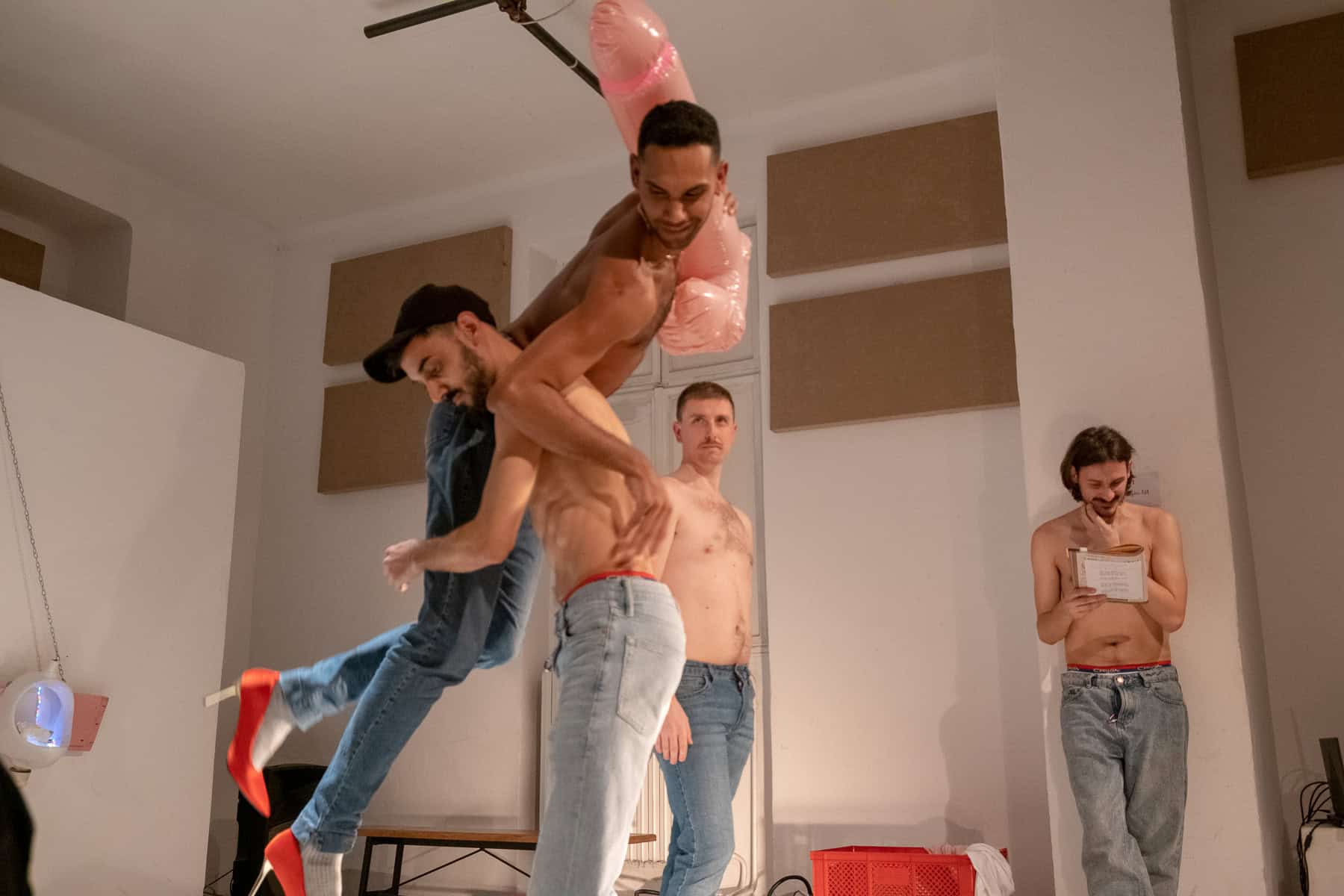


Dance performance (muš)kost u grlu emerged from an artistic research process exploring, through choreographic and performative practices, the concept of toxic masculinity and its attributes (machism, misogyny, femicide, (auto)homophobia, militarism, and radical nationalism), which are embedded within the body itself—forming an archive of masculinity within the body and examining its impact on the body.
The performance presents a collection of perspectives on toxic masculinity through the lens of five young men, who, through continuous reflection, offer alternative masculinities, playing with learned bodily actions and discourses, pushing them to the point of absurdity, and sharing intimate testimonies of their own upbringings, deeply shaped by social norms. The phenomenon is approached through scenic documentation and speculation on specific situations, from individual to collective experiences.
The performance focuses on bodily actions, narratives, and operations that are incorporated into the male body during maturation, shaping specific behavioral patterns that the body, under societal pressure, reproduces. Simultaneously, the body itself is observed as both the author and consequence of the harmful effects that masculinity has on contemporary society – on women, but also on men themselves – particularly in patriarchal societies where boys’ socialization often normalizes violence.
Masculinity and the body shape each other, raising the question: To what extent can the body resist toxic masculinity (and in which life situations), and in what ways does it conform to it? The performance analyzes conflicting bodily expressions of masculinity/femininity among the performers and examines the extent to which skills of tolerance and negotiation between different manifestations of masculinity exist. Can this phenomenon be seen as a potential for expanded practices, or does it manifest as internal conflict, affecting experience, self-perception, and mental health?
The very fact that this artistic process brings together performers of different sexual identities and artistic backgrounds, placing them at the center of the stage, while the creative team is primarily composed of female collaborators from various artistic disciplines, serves as a powerful encouragement and celebration of individuality. This approach actively challenges heteronormative frameworks and defies patriarchal principles.
(muš)kost u grlu aims to open a free and critical dialogue on the dangerous potentials of masculinity in contemporary society, striving to break through the barriers of taboo topics, of which, unfortunately, there are still many today. Rather than offering generalizations or final solutions, the performance provides a deeper insight into this phenomenon, encouraging collective political action in society. It proposes the practice of new forms of tenderness and love in shared spaces, fostering alternative ways of being together.
Concept, text, and choreography: Miloš Janjić
Performance, text, and choreography: Lazar Tešić, Dražen Horvatić, Mladen Šijan, Miloš Janjić, Chad Spence
Dramaturgy: Nina Plavanjac i Andreja Kargačin
Directorial consultations: Ana Pinter
Choreographic consultation: Isidora Poledica
Scenographic consultation: Marija Pokrajac
Music and sound design: Jana Baljak
Technical support and scenography creation: Milica Babić
Photo documentation: Marija Stojković
Video documentation: Tanja Drobnjak
Production: BRINA
Support:
The dance performance is supported by Reconstruction Women’s Fund and the Western Balkan Youth Cultural Fund (a multi-year project supported by the German Federal Foreign Office and implemented by the Regional Youth Cooperation Office (RYCO)), Cultural center Magacin, Station Service for contemporary dance, Nomad Dance Academy Slovenia / Cofestival, trough the project (Non)Aligned Movements.
Sylvain Huc and Mathilde Olivares: LA VIE NOUVELLE
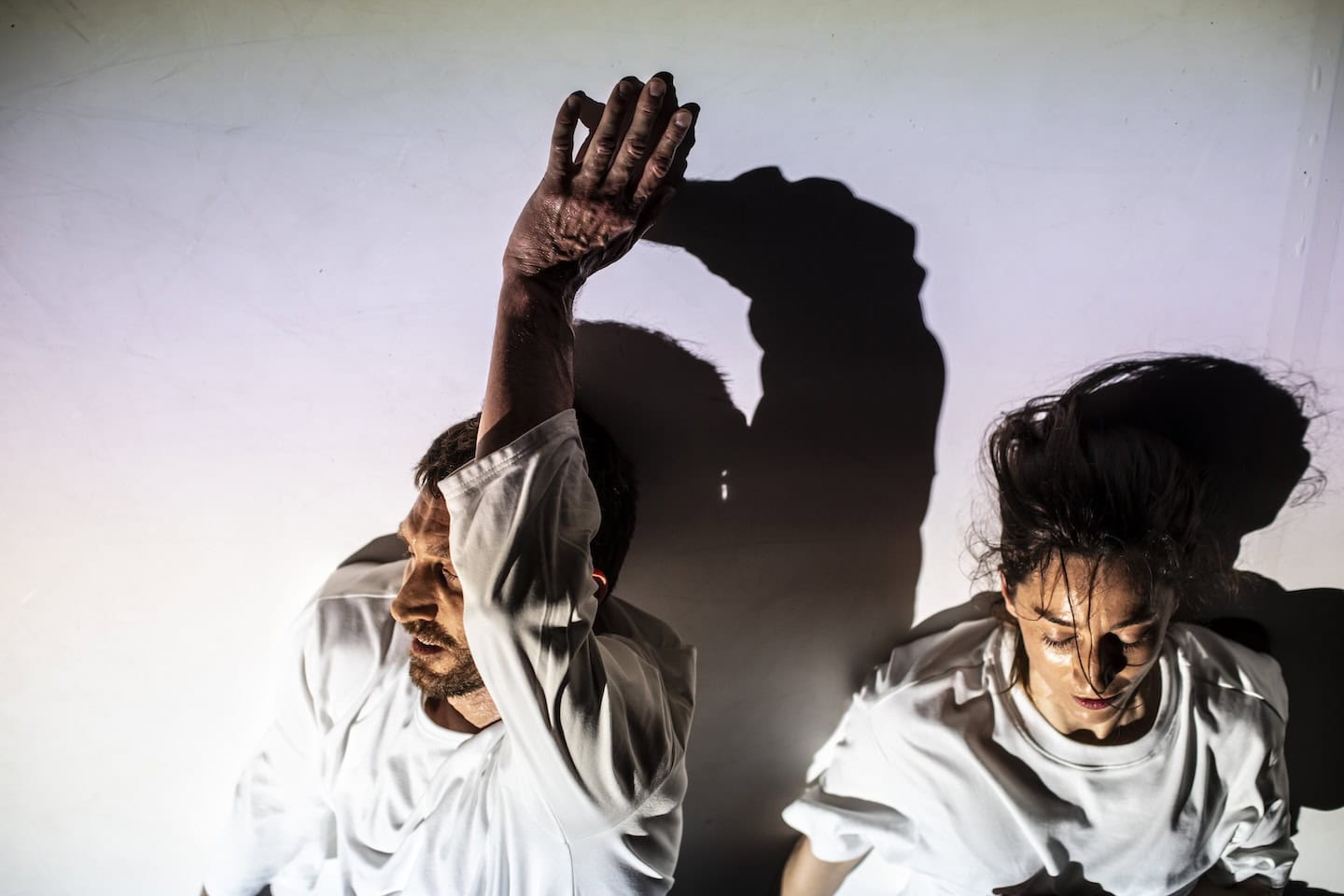


For more than a decade, Mathilde Olivares and Sylvain Huc have worked as accomplices—both as artists and as individuals—building a bond nourished by deep studio research and by a mutual intellectual exchange that is, otherwise, so rare. Out of this maturity, patiently cultivated over the years, La vie nouvelle emerges as their first shared creation, conceived and embodied together in duet.
Here there are no predetermined themes, still less any messages. This duet shapes space and stretches time, without premeditation or constraint, exploring a shared language stripped of excess, fully immersed in the present moment. Their dance becomes an invitation to contemplation. New forms of life surface before us, revealing the body in motion as a landscape that spreads and breathes. Only a single black cylindrical object intrudes upon this duet, disrupting its apparent simplicity.
The original music of Fabrice Planquette and the lighting of Jan Fedinger create the rhythm of the piece, imbued with an almost obsessive attention to sounds and silences, to the voids and fullness of space. This dance, at once (meta)physical and poetic, unfolds on stage within a relationship of absolute trust with the audience, offering an experience that is both intense and intimate.
Concept, choreography, performance: Sylvain Huc and Mathilde Olivares
Sound design and artistic support: Fabrice Planquette
Light design: Jan Fedinger
Outside eye: Théo Aucremanne
Collaborator / Dialogue partner: Daniel Larrieu
Vocal coaching: Timothé Bougon
Light and technical coordination: Manfred Armand
Sound management: Bernard Lévéjac
Graphic design, photography: Loran Chourrau
Support: French Institute, Belgrade
Dušan Murić: Acapella Punk
30.10. @20:00, public space (tbA)
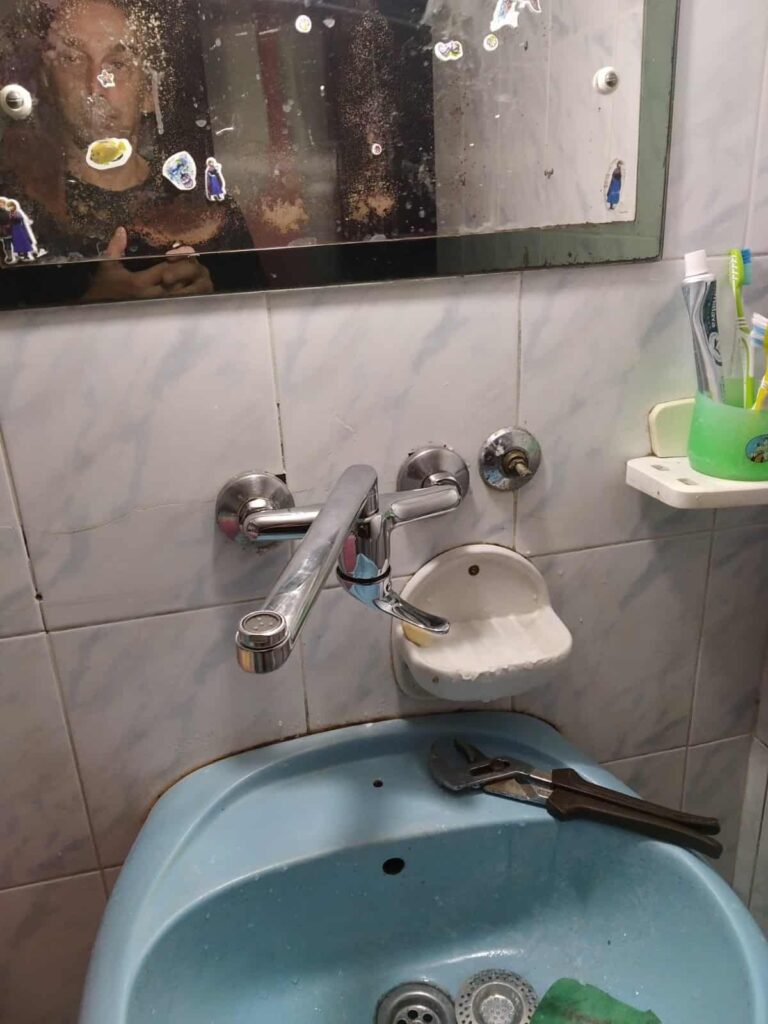
In this long-term project, which Dušan Murić has been developing over several years, songs and messages, reassembled through the artist’s stripped-down, anti-virtuosic vocal performance, will be shared in public space, on a street in Belgrade.
“Throughout my years of artistic work, within performances and stage pieces, small songs, verses, and slogans have continuously emerged. A few years ago, I began to write and sing without any particular trigger—though, of course, I always imagined what it might grow into. Last summer, I released the album A cappella Punk – So You See What… on YouTube, followed this spring by A cappella Punk/Laibach s Moravu – Aftershave/Public-Political Rest.”
As part of the Kondenz program, Murić will present a concert-performance blending singing, dancing, and vignettes, accompanied by the ad hoc shooting of a music video, joined by accomplices and guests. Audience activation—and perhaps even agitation—is more than likely.
Side Program
Presentation of the work in progresS: #THREEE_SOME: BAXI OSTROWSKI, KADENCE NEILL I ĐORĐE ŽIVADINOVIĆ GRGUR
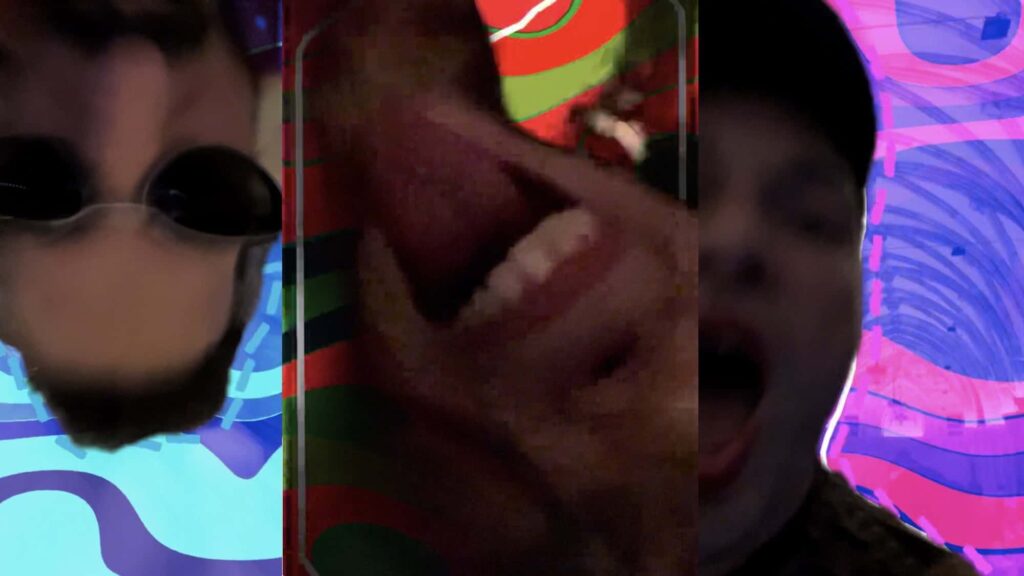
Score: like a gentle support on the level of your kidneys, a transitional object in moments of doubt, or when you lose energy, or when you long for another(s). It is a peculiar map for moments of disorientation. Something to digest – chew, work through… To lodge and dislodge. It is a bone structure searching for its flesh. It is an unexpected gift, a series of questions to raise together in doing. Score is a proposal for perceiving realities that reach towards alternatives. Towards empathic exchange. Towards tapestry of selves and cells – score as the thread.
… The visitors, witnesses and intent attenders, Kadence and Baxi, hosted by a local artist and activist Đorđe, come together with a threee_some project – proposing spaces to be, to become, and to find ways of collaborative, co-existence through choreographic scores. The two foreigners bring their contexts without imposition, but as a reference and a membrane for resonance.
And what is the journey of the context that the three of them cross and transform: as participants of the daceWEB program at the Impulstanz Festival in Vienna in 2024, and, shortly after the festival ended, initiated a practice of exchanging custom-made scores, which they sent to each other monthly, analyzed, recognized around them, danced and imagined at their places of residence to then meet online to share their experiences and explore possibilities. After a year, they finally meet in person in Belgrade in 2025, with the idea of opening a space of “scoring” together and inviting the community gathered around the Kondenz festival to join in active participation – at a critical political moment, when togetherness is the only strength of the people on the streets of Serbia, and perhaps beyond, strength that they can truly rely on today. Nothing can better give support , dispel doubt and refresh energy; nothing can strengthen empathy and will, and reinforce the life-saving web, more than comrades who understand and feel, and on whom one can lean at the moment when support matters the most.
The end of the festival work-in-progress presentation is an opportunity for us to test out the created scores and the way we address the audience’s position as well as the agency of the spectators. We aim for a format that is open, but explicit, poses questions in reference to the contexts, so that through the movement a space for encounter, discussion for the needs of others can be built. Performance in motion in the space of Magacin.
This residency is part of the exchange program with Ujazdowski Castle – Center for Contemporary Art in Warsaw, and is supported by the Institute Adam Mickievitcz.


Poliana Lima: ORO NEGRO
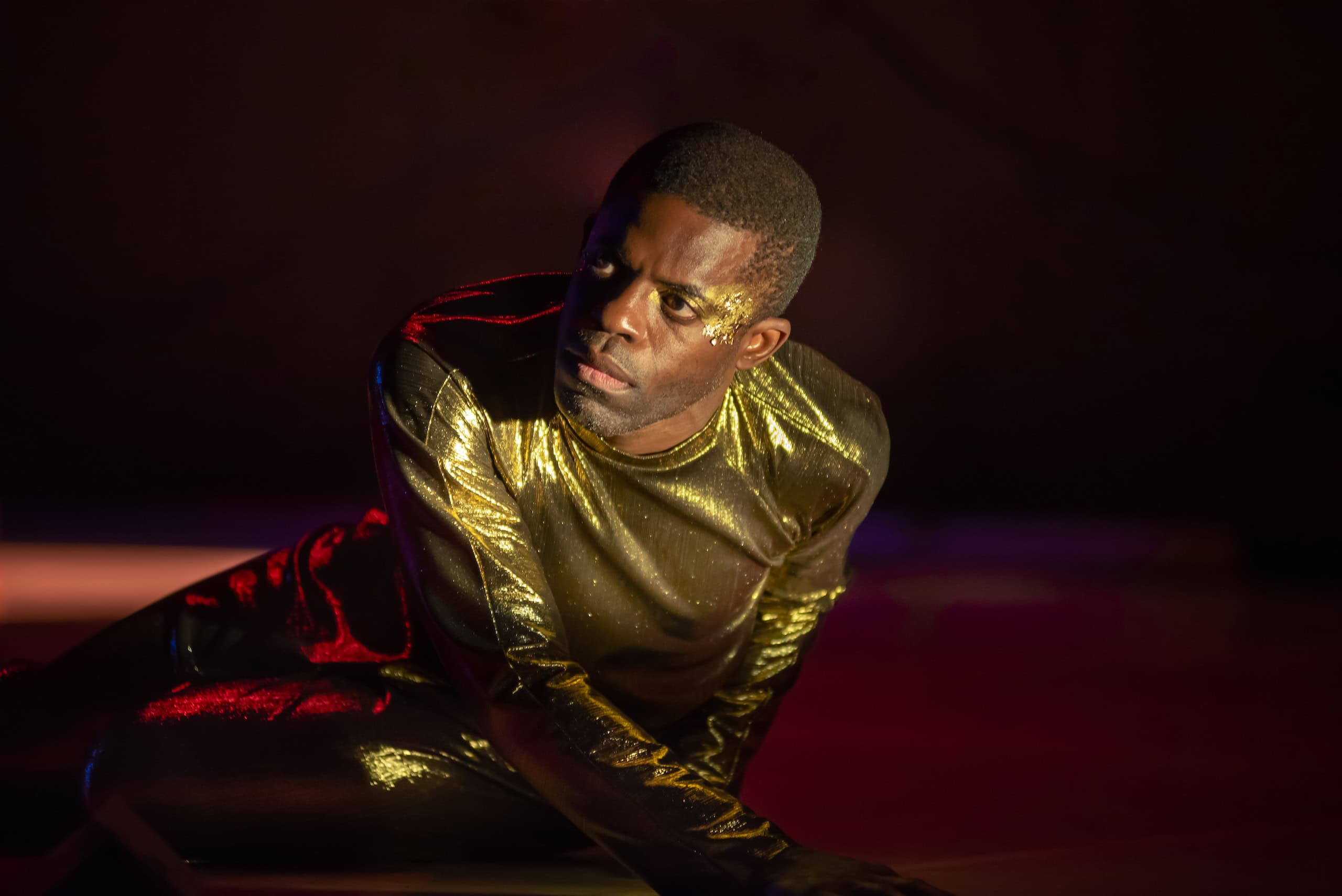


Oro Negro (Black Gold) is a two-bodied solo with live music. It premiered at the 40th Festival de Otoño de Madrid at the Teatro de la Abadía in 2022.
Oro negro (Black Gold) is centered around the metaphorical idea of petroleum, linking the extraction of the natural treasure to the valorization of elements and identities denied and excluded from the hegemonic western culture.
This program is carried out with the support of the Program for the Internationalization of Spanish Music and Performing Arts, jointly organized by the Cervantes Institute and the National Institute for Performing Arts and Music (INAEM) of the Spanish Ministry of Culture, within the framework of the Recovery, Transformation and Resilience Plan — financed by the European Union — NextGenerationEU.



Direction, conception and choreography: Poliana Lima
Dancers: Poliana Lima and Miguel Ángel Chumo Mata
Dramaturgy: Javier Cuevas
Choreography assistant: Lucas Condró
Original music: Carlos Marquerie
Lighting design: Óscar Villegas
Sound design: Pablo Sánchez
Costume design: Carmen 17
Makeup: Sara Abigail Álvarez
Photos and audiovisuals: Álvaro Gómez Pidal
Graphic design: Cintia erre
Mediation: Marina Santo
Technical coordination: Cristina Bolívar
Production: Isabella Lima
Production assistant: Diego Carrasco
Communication: Cultproject
Social networks: Adrián Pulido
Distribution: Austin Rial Eshelman
With the support of: Festival de Otoño, Ayuntamiento de Madrid, Azcuna Zentroa, Ayuntamiento de San Cristóbal de la Laguna,
Teatros del Canal y Auditorio de Tenerife.
SIde program
Presentation of the book “Social Choreographies of Emotion” by Dragana Bulut
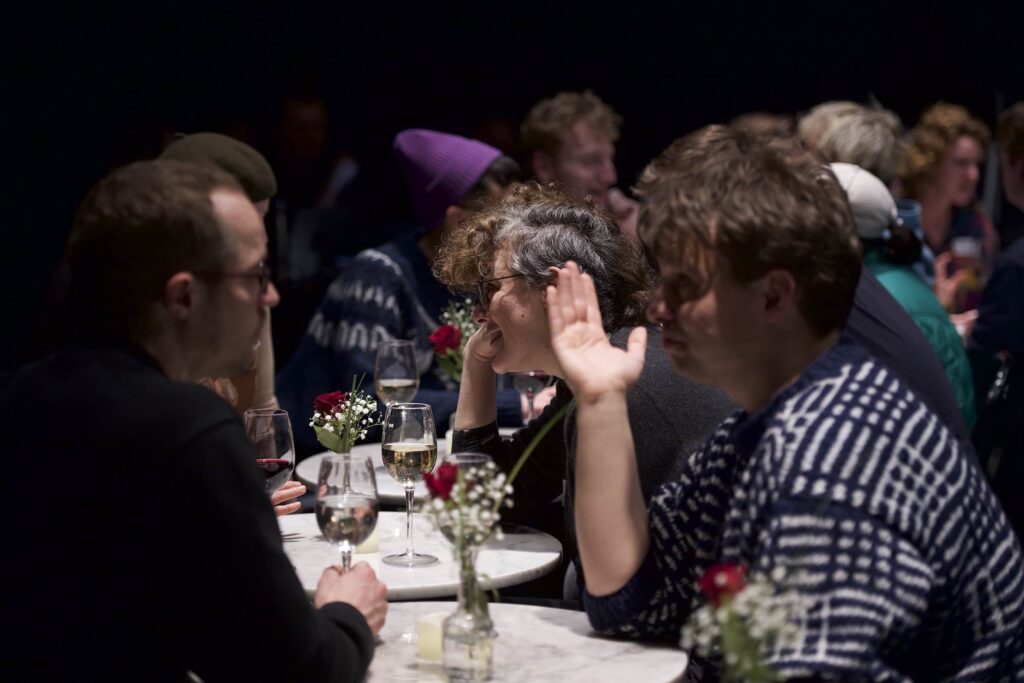
In this presentation, Dragana Bulut speaks about her PhD research project Social Choreographies of Emotion, in which she investigates the commodification of emotions through the lens of social choreography. By focusing on love, and fear, she critically examines how these affective states are choreographed within contemporary society, revealing the sociopolitical processes that underpin them. The project raises questions about the mechanisms through which these emotions are commodified within the capitalist framework, while probing the possibilities of resistance and the cultivation of alternative affective practices.
It aims to assert staged social choreography as a reflective tool, capable of illuminating the social transformations that shape our emotional landscapes, and to consider its political potency as both a lens for analysis and a medium for producing temporary communities where collective affect can be renegotiated, made visible, and potentially transformed.
She will also introduce the recently published book of the same title, which presents and expands on this research.
IMPRESSUM:
KONDENZ Festival of contemporary dance and performance, Belgrade, 26 – 31 October 2025
Curatorial team: Marko Milić, Marijana Cvetković, Olivera Kecojević and Filip Perić
STATION Service for contemporary dance
Production and organization: Olivera Kecojević and Filip Perić
General management: Marijana Cvetković
Aftertalks: Miona Đenisijević
Technical director: Boris Butorac
Visual identity and layout: Andreja Mirić
Social networks: Edin Omanović
Visual identity and layout: Luka Knežević Strika and Vladimir Opsenica
Web: Vladimir Jerić Vlidi
Financial support:
Kondenz Festival is part of the project “Dancer in the Dark” supported by the Swiss Agency for Development and Cooperation / SDC (Swiss Government), Hartefakt Fond and the program Culture for Democracy.



European Union – NextGenerationEU, Institute Cervantes and The Ministry of Foreign Affairs, European Union and Cooperation (MAEUEC) of Spain
French Institute
Perform Europe

Partnerski projekti:


Partners:


